By Joey Lisser
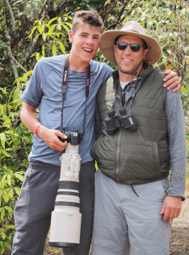
The places described below are sacred people to the Samburu people of Kenya. They have never been photographed and their strong culture will live on for hundreds of years to come.
The hot African sun rose over the valley as I slept peacefully, high above the trees. I was awoken by a family of monkeys as they spoke to each other in their own monkey way. I got up, had a cold shower, and got dressed. It was my everyday routine in a place far from my everyday life. I was in Kenya, on the land of the Samburu people in the Namayak Wildlife Conservancy. It was 2018, I was 15, and my family was on a once-in-a-lifetime safari. We were exploring the world together and having fun while doing it.
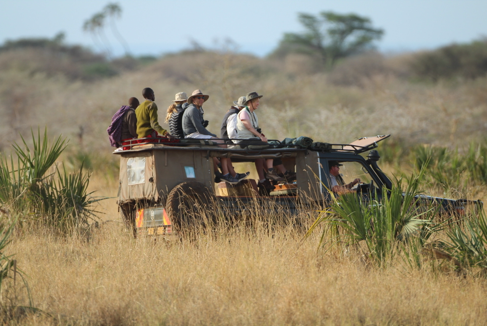
The whole family ate breakfast together, and then we hopped on the top of our jeep. Our guide, the rusty machine, and we were off. I can’t say we were out early, but we were off to find the majestic animals that called the place we were visiting home. However, it would also be a day in which we visited the locals. We were going to see their villages, wells, and common areas. On paper, it seemed impossible as people were living with the most vicious predators we could imagine. We drove around for a few minutes before our first spotting of the day, a couple of elephants. They were cleaning themselves with dust and playing in the morning sun.
 After finding a few more animals, we decided to stop by the singing wells. The Samburu are farmers who use cattle, goats, camels, and donkeys as currency. They walk their animals to the hand-dug wells of a dried up river bed on a daily basis in order to keep them hydrated and healthy. The wells are sacred to the locals. They are a place where young men from all over the valley meet their friends, help their families, and live their lives. As we walked up to the wells, the locals turned away from their wells and were as interested in us as we were in them.
It smelt like any other farm, but it was far from. The initial sound of cowbells dominated the scene, but as we moved closer to each well, the sound moved from cowbells to boys singing and splashing in the water. Each boy was singing his own family song. The boys stood in each well and used their metal buckets to move the water into small wooden troughs. The beautiful music calmed the livestock and reminded them that water was near. The cows, goats, donkeys, and camels lapped up the water into their thirsty mouths and slowly moved out of the way as the other animals pushed and shoved for space in the trough.
These wells were a magical place. As we watched some boys bathe in the wells and head home, we knew this was a special place. It was so remote, had its own character, its own way of life and own special feeling. On the way back to the lodge, we picked up a man who was on his way to the town of Wamba, a six-hour walk. Our guides talked briefly with him before we let him off on the road to his destination. We ate a delicious lunch of chicken and pasta, went for a swim overlooking the valley, and had a siesta.
Later that afternoon, we hopped back on the jeeps and headed out to a village. The jeep bounced along the bumpy road, and I was almost thrown off a couple of times as we cruised quickly. We arrived at the village as the sun began to set and were amazed at the ingenious ways that the village was built. There was a row of sharp sticks around the perimeter, with a guard, and a gate followed by a group of inner circles that were designated land for each family. In the middle of the inner circles, there was one secure inner ring. In the outer ring, all of the animals grazed and played along with the children who carelessly roamed around. Each circle held each family’s house and crops. Finally, the inner ring held all of the young livestock including a baby goat born an hour before we arrived.
The people in the village were curious, caring and compassionate. They showed us around their houses, let us pet their animals, and wanted us to try their goat milk and cow blood “delicacy.” We played with the children and laughed with the adults. It was a sense of peace, happiness, and innocence that we shared together as people with totally different views of the world.
 We headed home for a quick dinner, and then we were back out on the jeeps. This time we were off to find the elusive leopard. The locals knew she stalked one area every single night, but finding her would be a challenge. We looked around with our spotlights and listened intently for anything in the bushes. After ten minutes we heard a rustle in the bushes, we had found the leopard. The beautiful spotted leopard staring right back at us. I grabbed my camera, rested along the side of the jeep, and snapped a few photos. She was on the hunt. We followed her through the bushes until she stopped. We heard a branch crack and then a squeal. We had just witnessed the leopard catch her dinner.
We had experienced livestock and music with the locals. We had played games on with their children. We witnessed the mark of true survival, death. The leopard chomped down on the small antelope called a dik-dik. Within no time she was done and back on the hunt. We spotted a few giraffes and antelope on the way home as an amazing way to end the day. My head hit the pillow as I was just started to realize how great a day it had been.
That was a day to remember. I was a North American living in a hyperconnected world who interacts with more people in a week than the Samburu do in a year. I was a boy who could travel the world, experience different cultures and speak many languages, yet these were people who knew nothing of the western world. The big city of Samburu was a town with 600 people. The locals lived in a tent-like shelter with a fire pit and a cowhide mattresses, didn’t know what 9/11 was, and didn’t understand why containers full of goods would arrive every so often.
The natural beauty of majestic and fierce predators living off the same land as the nicest people and the basic human connection we all love are things I will never forget. I now view the world in a different way. Our world is not decided on how many likes you get on Instagram or how much money you have. This made my trip worth it. This reminded me of what it means to be human.
 The Howlander